Car tuning in racing games, explained
Tuning menus can look intimidating, but each setting changes the car in a specific, understandable way. This explainer walks through the main adjustments and how to test them.
Upgrades versus tuning
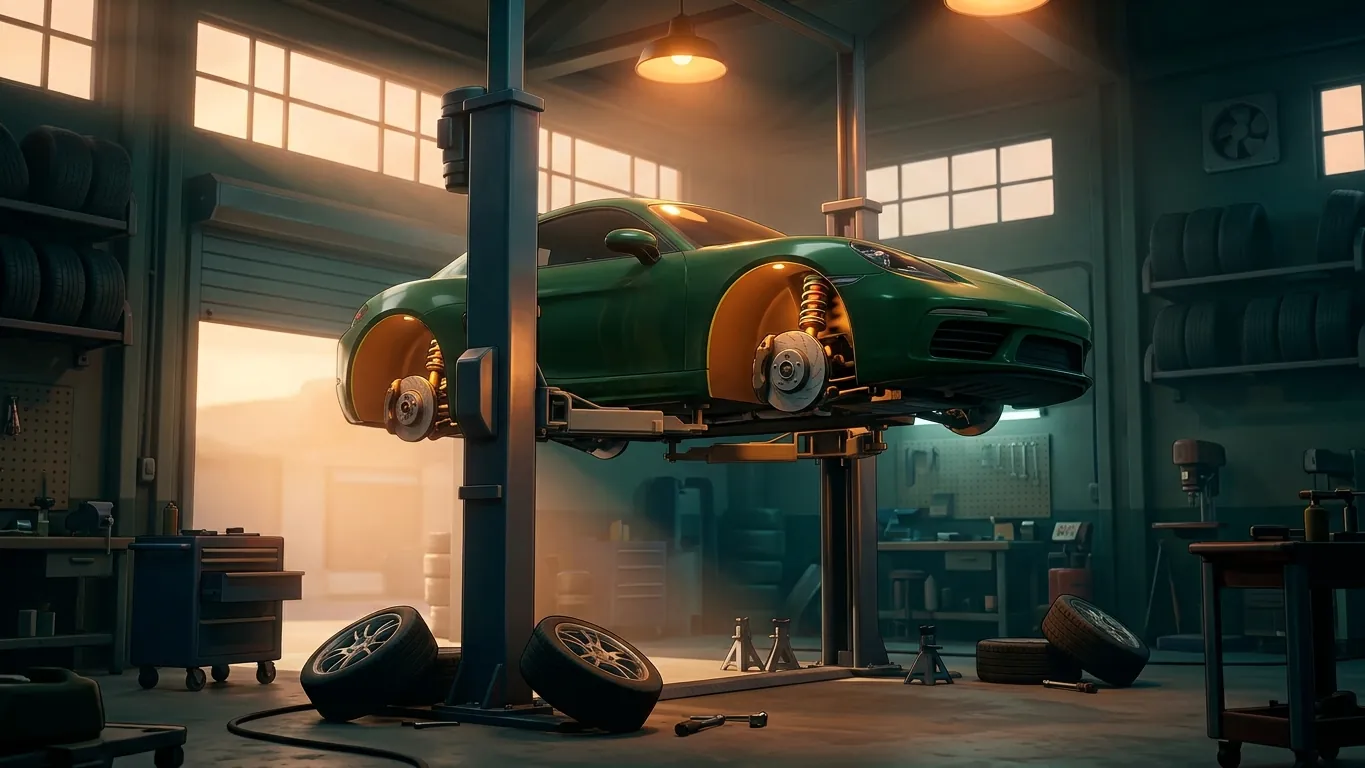
Car games often separate two ideas. Upgrades are parts you buy or unlock, such as a stronger engine, lighter body panels or stickier tires. Tuning is adjusting how those parts are set up, such as tire pressure, suspension stiffness or gear ratios.
Upgrades usually raise a car's overall performance, while tuning shapes how that performance feels on the road. A well-tuned car can feel more predictable and easier to drive, even without extra power. If a car feels nervous or sluggish, tuning is often the first place to look before spending more in-game currency.
Tire pressure and grip
Tire pressure is a common starting point. In many driving models, lower pressure increases the contact patch, which can add grip but may make the car feel less responsive. Higher pressure can sharpen response but reduce grip, especially over bumps.
Some games show tire temperature after a lap. Tires that run too cold or too hot tend to lose grip. Small pressure adjustments help bring them into a comfortable working range. Make changes in small steps and drive a few laps before deciding.
Suspension and ride height
Suspension settings include springs, dampers and anti-roll bars. Stiffer springs and bars reduce body roll and make the car react quickly, which suits smooth tracks. Softer settings absorb bumps and help on uneven roads or off-road surfaces.
A useful general idea: stiffening the front relative to the rear tends to add understeer, while stiffening the rear relative to the front tends to add oversteer. If your car pushes wide in corners, softening the front or stiffening the rear slightly may help. Ride height affects the center of gravity, but going too low can cause the car to bottom out over bumps.
Gearing and differential
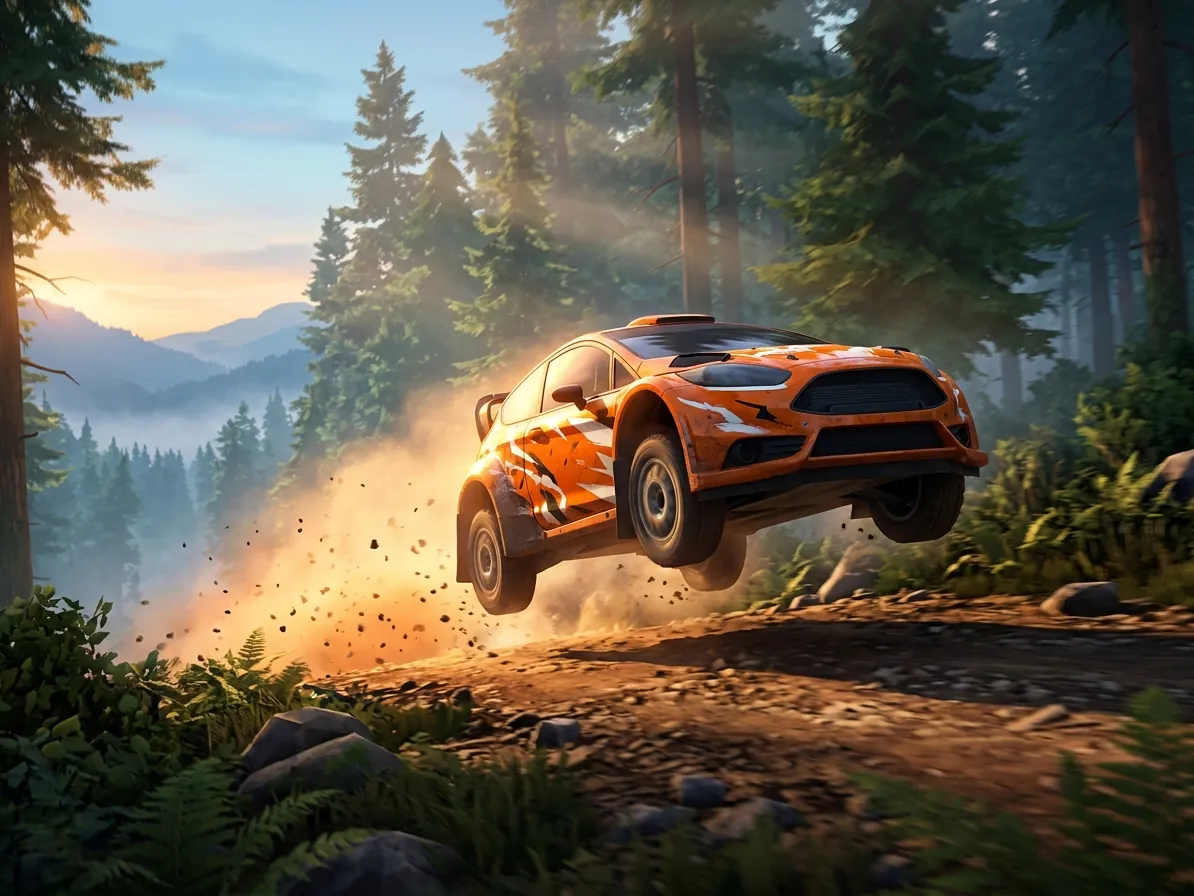
Gear ratios decide how quickly a car accelerates and how high its top speed can go. Shorter gearing improves acceleration, which suits twisty tracks. Longer gearing allows higher top speed on fast circuits with long straights. A good sign is reaching the top of your final gear near the end of the longest straight.
The differential controls how power is split between driven wheels. A more locked setting can improve traction on exit but may make the car resist turning. A more open setting can help rotation but may cause the inside wheel to spin. These settings are subtle, so adjust them after tires and suspension feel right.
Change one thing at a time
The most useful tuning habit is simple: change one setting, drive several laps on the same track and note how the car feels. If you adjust several settings at once, you cannot tell which change helped and which made things worse.
Save a baseline setup before experimenting so you can always return to it. Over time, you will build a feel for how each adjustment behaves in the game you play, and tuning will become a tool rather than a chore.
Related articles
 Controller or wheel: choosing how you drive
An opinion piece on driving with a controller or a steering wheel in car games, with honest pros and cons and a note on why assists are fine.
Read more
 Why slow games make good downtime
An opinion piece on why fishing games and relaxed driving make satisfying downtime, with ideas for calm sessions and sensible play habits.
Read more
 Career mode progression in fishing and car games
Tips for progressing in career modes of fishing and car games: spending in-game currency wisely, efficient practice and a balanced progression plan.
Read more