Lures and bait in fishing games: a practical guide
Choosing what goes on the end of your line is often the deciding factor in fishing simulators. This guide covers bait versus lures, presentation depth, retrieve speed and color.
Natural bait versus artificial lures
Most fishing games offer two broad options. Natural bait, such as worms, minnows or insects, usually works with a float or a bottom rig and appeals to a wide range of species. It is a forgiving choice for beginners because the bait does much of the work while you wait for a bite.
Artificial lures require more input. You cast, retrieve and often add movement to imitate prey. In exchange, lures let you cover more water quickly and target predatory species more precisely. Many players carry both: bait for relaxed sessions and lures when they want to search actively.
Topwater, mid-water and bottom presentations
Lures are typically designed to work at a certain depth. Topwater lures stay on the surface and create splashes or wakes, which can draw dramatic strikes in calm conditions. Mid-water lures, such as many crankbaits and spinners, run below the surface at a set depth during the retrieve. Bottom presentations, like jigs and weighted soft plastics, are worked slowly along the lakebed.
Match the presentation to where your target fish are holding. If fish are deep, a topwater lure may pass far above them. Many games list a running depth for each lure, which is worth checking before you cast.
Retrieve speed and rhythm
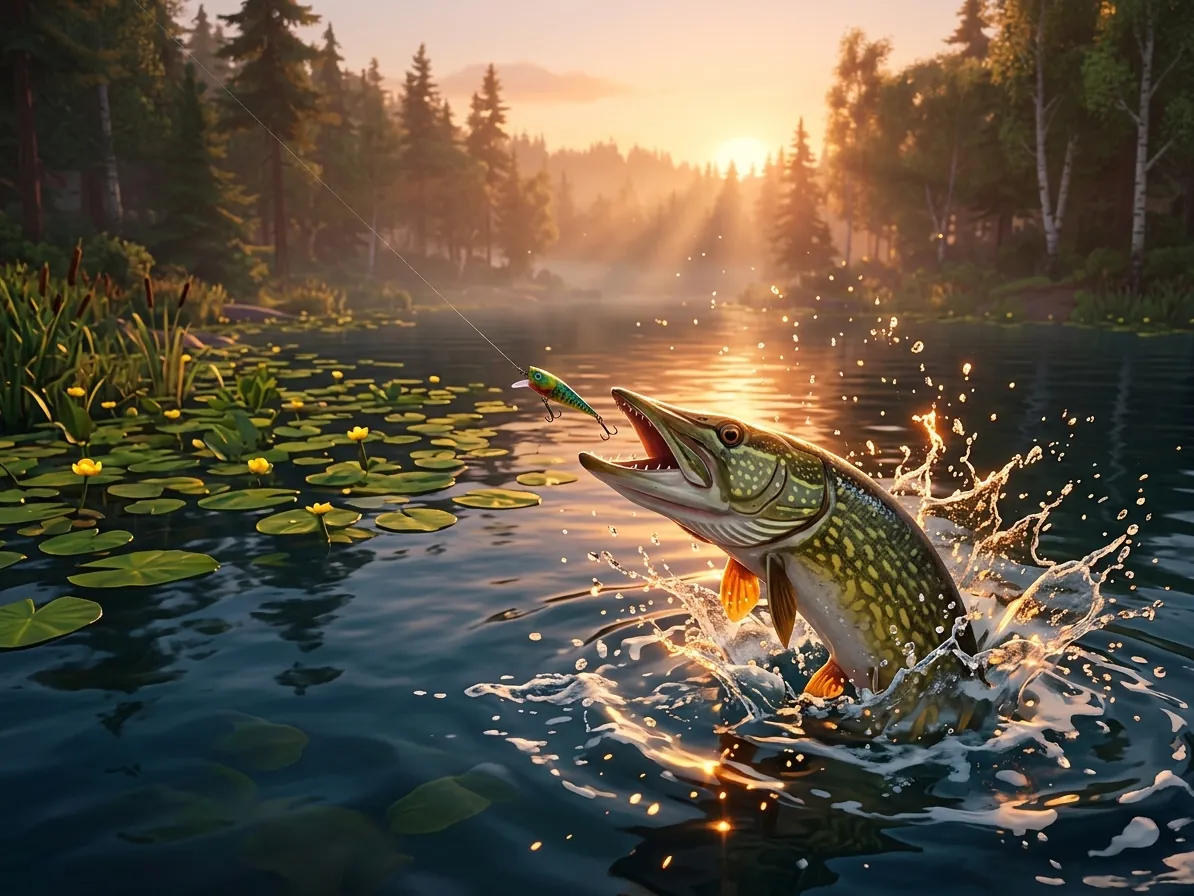
How you bring a lure back matters as much as which lure you use. A steady retrieve is a reliable starting point. From there, try variations: a stop-and-go pattern, short twitches of the rod or a slow drag along the bottom.
Some simulators model fish mood or activity, rewarding fast retrieves when fish are aggressive and slow ones when they are sluggish. If you are not getting bites, change the rhythm before you change the lure. It is a small adjustment that often reveals what the fish in that moment respond to.
Matching color and size
A common approach, borrowed from real fishing, is to use natural colors in clear water and brighter or darker colors in murky water or low light. Size often follows the target species: smaller lures for panfish and trout, larger ones for big predators.
Not every game models color in detail, so treat this as a sensible default rather than a rule. Experiment with one change at a time so you can tell whether color, size or retrieve made the difference.
Building a compact tackle box
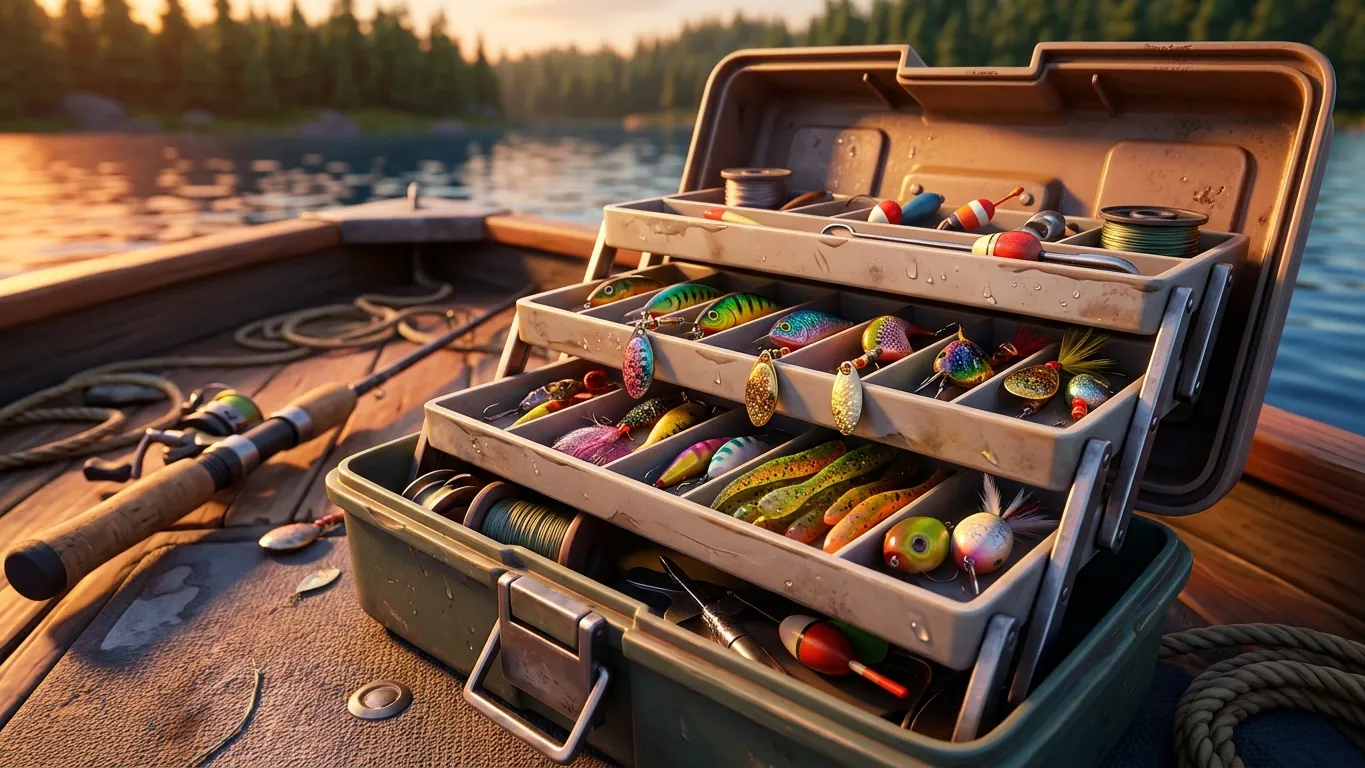
Carrying every lure in the shop rarely helps. A focused tackle box makes decisions faster and keeps in-game currency available for rods and reels. A practical starter set includes one topwater lure, one mid-depth crankbait or spinner, one bottom jig or soft plastic, and a simple bait rig for relaxed fishing.
As you unlock new waters and species, add lures that fill specific gaps instead of duplicates of what you already own. Over time you will learn which few items you actually reach for, and your tackle box will reflect the way you like to fish.
Related articles
 Racing line fundamentals for car games
Understand the racing line in car games: entry, apex and exit, braking before the turn and smooth throttle control, plus a simple practice routine.
Read more
 Car tuning in racing games, explained
An explainer on car tuning in racing games: upgrades versus setup, tire pressure, suspension, gearing and differential, and how to test changes.
Read more
 Controller or wheel: choosing how you drive
An opinion piece on driving with a controller or a steering wheel in car games, with honest pros and cons and a note on why assists are fine.
Read more